Deopera – A Versatile Google Slide Template for Modern Presentations
Presentations remain one of the most direct ways to share an idea, pitch a product, or teach a concept. But the gap between a competent slide deck and a memorable one often comes down to design. In a world where audiences are used to polished visuals, a well-structured template can save hours of work while raising the quality of your output. Deopera - Google Slide Template is designed to bridge that gap. It offers a complete set of tools for building presentations that are both functional and visually engaging.
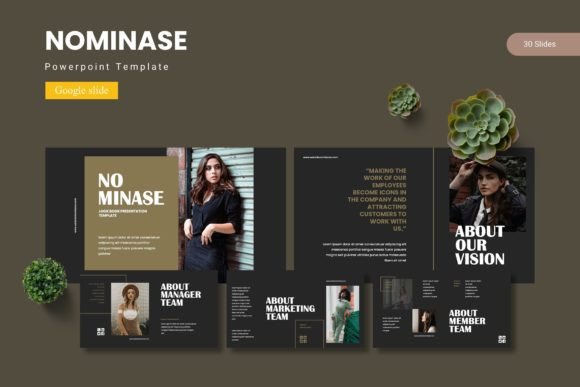
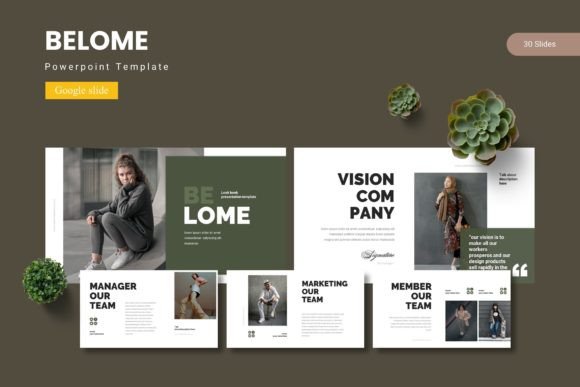
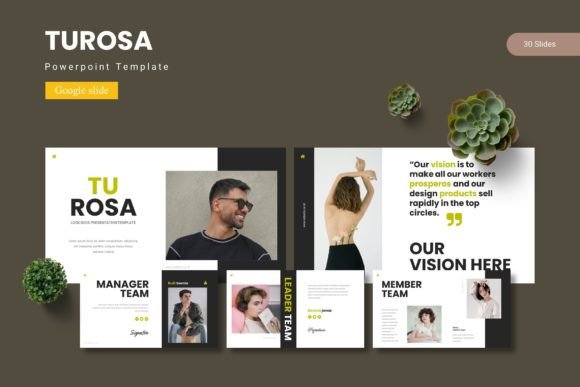
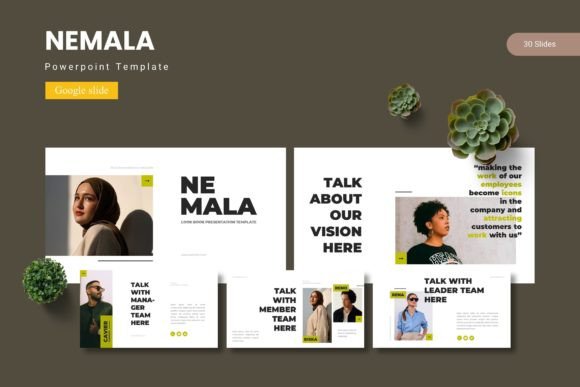
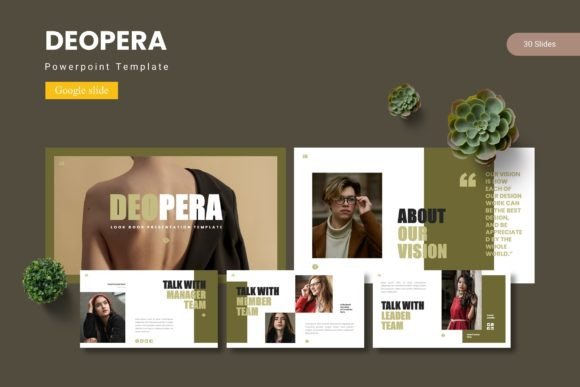
What makes Deopera stand out is not just the number of slides, but the thought behind them. With 150 total slides spread across 5 pre-made color variations, you get 30 slides per template. That range allows you to tell a coherent story without repeating layouts. Whether you are creating a pitch deck, a creative portfolio, or an internal business update, having enough variety keeps the audience engaged from start to finish.
Why presentation templates matter more now
The way we consume information has shifted. People expect clarity, speed, and a touch of personality. In professional settings, the bar for visual communication has risen. A few years ago, a simple text-heavy slide with bullet points was acceptable. Today, audiences expect data to be visualized, ideas to be contextualized, and messaging to be concise.
Google Slides has become a popular choice because of its collaborative features and accessibility. But its default themes often feel generic. That’s where a template like Deopera adds real value. It provides pixel-perfect illustrations, handcrafted infographics based on master slides, and picture placeholders that let you drop in your own images with minimal effort. This means you can focus on your content while the design framework does the heavy lifting.
The relevance of templates like Deopera also ties into the growing need for speed. Freelancers, marketers, and educators often work under tight deadlines. Having 30 ready-made slides per color scheme means you can assemble a professional-looking presentation in under an hour. The section break slides and gallery and portfolio slides add structure without requiring you to build every slide from scratch.
Evolving presentation habits and what they mean for users
Presentation habits have evolved in several ways. Remote work and hybrid meetings mean that slides often appear on screens of different sizes, from laptops to conference room displays. A template that works across formats is essential. Deopera’s design is built to be scalable, with all graphic elements resizable and editable. You are not locked into a fixed layout. You can adjust font sizes, move elements, and tweak color schemes without breaking the overall look.
Another shift is the move toward visual storytelling. Audiences respond better to narratives than to dry data dumps. Deopera supports this with handcrafted infographic elements. Instead of pasting a chart from Excel, you can use the built-in infographic slides to present statistics, timelines, or processes in a way that feels integrated into the deck. This makes your message more memorable and helps viewers grasp complex ideas faster.
The 5 color variations are another practical feature. You can switch between schemes if you need to match brand guidelines or simply refresh the look of a recurring presentation. And because the template works with master slides, any changes you make to fonts or colors apply consistently across all slides. This is a time-saver for anyone who manages multiple presentations.
Practical implications for professionals and creators
For professionals, time is often the most limited resource. Deopera reduces the friction of starting a new presentation. Instead of staring at a blank slide, you have a library of 150 options. The picture placeholders let you drag and drop images directly, which is especially useful for photographers, designers, and marketers who work with visual content regularly. The gallery and portfolio slide formats make it easy to showcase work without having to hack together a custom layout.
Entrepreneurs and business owners will find the section break slides useful for structuring longer pitches or investor decks. Dividing your presentation into clear sections helps guide the audience through your narrative. The consistent design across all 30 slides per color scheme means your deck looks cohesive, which builds a sense of professionalism and trust.
Educators and trainers can use the infographic slides to present concepts visually. Instead of relying on text-heavy slides, you can use diagrams, icons, and color-coded elements to explain processes. This aligns with current educational practices that emphasize active learning and visual aids. The 5 premade colors also allow you to differentiate modules or topics without changing the entire template.
Freelancers and creative professionals often need to present their work in a way that reflects their personal brand. Deopera’s pixel-perfect illustrations and modern design give your portfolio a polished look. The drag-and-drop picture placeholders mean you can swap out images quickly if you want to update your portfolio for a specific client pitch.
How the template fits into modern workflows
One of the key features of Deopera is its compatibility with Google Slides. The main file includes 5 PPTX items from Google Slides, along with 30 slides from Google Slides in 5 color schemes. This means you can work directly in your browser, collaborate with team members in real time, and access your files from any device. The folder also contains a Readme First document with font and photo information, which reduces the guesswork involved in setting up the template.
The inclusion of both PPTX and Google Slides formats is practical. You can start in PowerPoint if your organization uses it, then move to Google Slides for collaboration. Or you can stay entirely within the Google ecosystem. The flexibility means you are not locked into one software environment.
Another workflow consideration is the use of master slides. If you need to edit the template further—say, to add your own font or adjust spacing—master slides allow you to do that globally. This is useful for teams that maintain brand consistency across multiple presentations. Once you set the master, every slide updates automatically.
Realistic examples of using Deopera
Imagine you are a marketing manager preparing a quarterly review. You need slides for KPIs, campaign performance, budget breakdown, and upcoming strategy. With Deopera, you can pick the color scheme that matches your brand, use infographic slides for the metrics, and rely on section breaks to separate each part of the presentation. The result is a deck that is both data-rich and visually cohesive.
Or consider a freelance graphic designer who wants to showcase their work to a potential client. Using the gallery and portfolio slide formats, you can display high-quality images of your projects in a clean layout. The picture placeholders ensure your images stay sharp and properly framed. You can also add text slides to describe your process or client outcomes.
An educator teaching a course on entrepreneurship might use Deopera to create a series of lectures. The 5 color variations can correspond to different modules, helping students visually differentiate topics. The infographic slides can simplify concepts like business models or customer journeys, making them easier to understand.
Recommendations for getting the most out of Deopera
To make full use of the template, start by reviewing the Readme First file. It contains font and photo information that will help you maintain the intended look. If you need to change fonts, choose web-safe alternatives that are available across devices.
Spend time exploring the 5 color variations. Pick one that aligns with your brand or the mood you want to set. If you are presenting to a conservative audience, a neutral scheme might work best. If you are pitching a creative idea, a bold color could help your deck stand out.
Use the section break slides to structure your narrative. A clear progression from introduction to main content to conclusion makes it easier for your audience to follow along. Within each section, mix infographic slides with image-heavy slides and text slides to keep the rhythm varied.
Take advantage of the master slides if you need to make global edits. This is especially useful if you are working as a team and need consistent typography or spacing across all slides. It also helps if you decide to tweak the color palette later—the master update will propagate to every slide.
Finally, use the drag-and-drop picture placeholders to bring in your own visuals. Whether you are using photos, screenshots, or illustrations, the placeholders ensure that images are properly aligned and sized. This saves you from manually adjusting each image.
Closing thoughts
Deopera - Google Slide Template offers a practical, flexible approach to presentation design. With 150 slides, 5 color schemes, and a range of layouts from infographic to portfolio, it meets the needs of professionals, creators, and educators who want to produce high-quality presentations without spending days on design. The emphasis on master slides, resizable graphics, and easy image integration makes it a tool that adapts to your workflow rather than constraining it. In a time when visual communication is more important than ever, having a reliable template like Deopera can make the difference between a presentation that is simply seen and one that is truly remembered.