Furniture Sale Instagram Story Template for Effective Promotions
Creating a compelling visual for a furniture sale on Instagram Stories can feel like a puzzle. You need something that stops the scroll, communicates value clearly, and reflects your brand—all within a small vertical frame. A dedicated Furniture Sale Instagram Story Template provides a structured starting point that saves design time while delivering professional results. Whether you manage a furniture store, run a home decor blog, or promote your own creations, understanding what this template offers helps you decide if it fits your workflow.
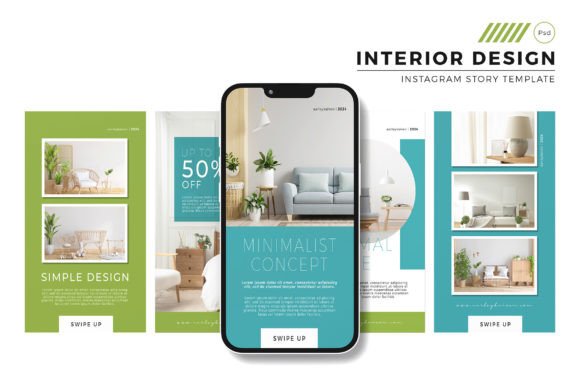
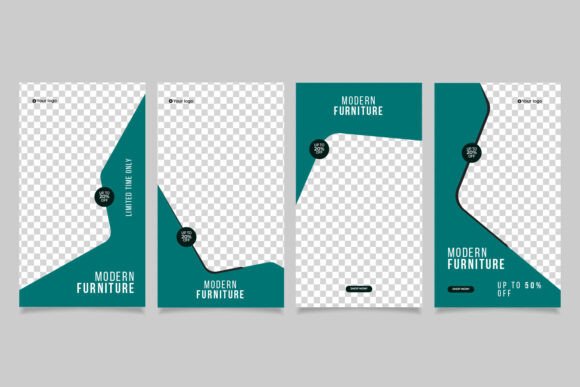
The template comes as a fully editable file in Illustrator EPS 10 format, sized at 1080×1920 pixels—the exact dimensions Instagram Stories require. This means no guessing on proportions and no frustrating cropping at the last moment. The file is organized into well-labeled layers, so you can adjust colours, swap text, or rearrange elements without digging through messy groups. RGB colour mode ensures your designs appear vibrant on screens, which matters when you want that sofa or dining set to look its best. Fonts are free to use, and a creative layout is already built in, so you begin with a solid structure rather than a blank canvas.
Why a Purpose-Built Template Matters for Furniture Promotions
A furniture sale needs more than a simple photo with a discount percentage. The product itself often defines a room’s character—clean lines for modern pieces, rich textures for classic designs, or bold colours for accent furniture. An Instagram Story template tailored to furniture lets you highlight these details without distraction. The layout is designed to frame items attractively, place pricing clearly, and include calls to action that feel natural rather than pushy.
For a small business owner juggling inventory, customer service, and deliveries, spending hours on graphic design isn’t practical. This template reduces that burden. Because everything is editable, you can update the sale information each week, change the featured product, or adjust the colour palette to match seasonal promotions. The structure stays consistent, which helps your audience recognise your Stories instantly. Over time, that recognition builds trust and makes your sale announcements more effective.
Marketers and social media managers also benefit. When you manage multiple campaigns or client accounts, a reliable template streamlines approval processes. You can prepare a set of Stories in advance, preview them easily, and ensure every post meets brand guidelines. The Illustrator EPS 10 format works smoothly across versions, so team members using different setups can collaborate without compatibility headaches.
Key Design Features That Support Real Workflows
The template’s 1080×1920 pixel size is non-negotiable for Instagram Stories. Any deviation risks black bars, awkward stretching, or parts of your design getting cut off. Starting with the correct dimensions eliminates these issues from the start. The well-organized layers are equally important. You can edit backgrounds separately from text, adjust price tags without affecting images, and replace placeholder graphics with your own product photos. This level of control means you don’t need to start from scratch every time you run a sale.
RGB colour mode keeps your designs screen-optimised. Furniture often relies on accurate colour representation—a customer deciding between a navy blue armchair and a grey one needs to see the difference clearly. By working in RGB, you preserve the vibrancy that makes your products appealing, especially on mobile screens where most Instagram browsing happens.
The creative layout is another practical advantage. Instead of wondering where to place the product image, sale price, and description, the template suggests a natural hierarchy. Your eyes—and your customers’ eyes—flow from the product to the offer to the action step. This structure improves communication without extra effort on your part. You simply insert your content and adjust as needed.
Who Benefits Most from This Template
Furniture retailers and showroom owners can produce daily or weekly Stories highlighting new arrivals, clearance items, or limited-time discounts. Instead of hiring a designer for every post, a team member can edit the template in minutes. The consistent format also reinforces brand identity, making your store recognisable even in a crowded feed.
Interior designers and decor bloggers often recommend products or share styling tips. A furniture sale template lets you showcase a piece within a curated scene, showing how it fits into a real home. You can include a swipe-up link or a “shop now” button without cluttering the design. For affiliate marketers, this means cleaner visuals that drive conversions without looking like an ad.
Freelancers and creative entrepreneurs handling multiple clients appreciate a template that adapts to different brands. You can save the base file, duplicate it, and customise each version with the client’s logo, colours, and product images. The organised layers make this fast, so you spend less time on repetitive tasks and more on strategy.
Hobbyists selling handmade or upcycled furniture often work with limited budgets. A professional-looking template elevates their social media presence without costly software or design courses. As long as you have basic Illustrator skills, you can produce polished Stories that compete with larger brands.
Practical Use Cases and Recommendations
Imagine you’re running a weekend clearance on living room sets. With this template, you create a series of Stories: one introducing the sale with a bold headline, a few featuring individual pieces (sofa, coffee table, bookshelf), and a final slide with store hours and a call to action. Each Story stays consistent in layout and tone, building anticipation without overwhelming the viewer. You can post them over Friday and Saturday, keeping the campaign fresh while maintaining visual cohesion.
For a seasonal promotion—say, a spring refresh on outdoor furniture—you adjust the template’s colour scheme to lighter, brighter tones. The editable layers let you swap in new product images, change the sale percentage, and update the date range quickly. Because the fonts are free, you don’t need to worry about licensing restrictions when sharing the file with a freelance designer or a social media assistant.
Consider using the template for limited-time flash sales as well. The creative layout already positions the offer prominently, so viewers don’t have to hunt for the discount. You can combine multiple products in a single Story or create a carousel of slides that tell a story: “Before the sale” and “After the sale” room makeovers, for instance. The template’s structure supports both approaches without feeling cramped.
Limitations and Fit Considerations
No template is a complete solution, and this one has boundaries worth noting. The download does not include images, so you need your own product photography. If your photos are low-resolution or poorly lit, even the best layout won’t rescue the final result. Invest in decent product shots or use stock images that match your colour palette and style.
Because the file is in Illustrator EPS 10 format, you need access to Adobe Illustrator or a compatible vector application. If you rely exclusively on Canva or mobile-only tools, this template may not open properly. In that case, you might ask a collaborator with Illustrator to prepare the base files for you in a more accessible format, or consider a template built for your preferred software.
The template is designed for a single aspect ratio and purpose—Instagram Stories. You can adapt it for Instagram Reels covers or static feed posts with some resizing, but it’s optimised for vertical, ephemeral content. If your strategy requires cross-platform consistency, you may need to create separate versions for other channels. That said, the organised layers make repurposing the design for a Facebook Story or a YouTube thumbnail straightforward with minor adjustments.
Also consider your brand’s visual identity. The creative layout is stylish but generic enough to fit many aesthetics. If your brand uses a very specific typography or layout philosophy, you might need to modify the template heavily. That’s possible given the editable nature of the file, but it requires comfort with Illustrator’s tools. For users who prefer a more prescriptive approach, a simpler template may be easier to work with.
Thoughtful Observations on Using Templates Effectively
A template is a tool, not a shortcut to authentic engagement. The most successful Instagram Stories still depend on genuine value: clear information, honest pricing, and a sense of why this product matters to the viewer. The template helps you present that value professionally, but it doesn’t replace thoughtful copywriting or a good understanding of your audience. Pair the template with concise text, a friendly tone, and a clear next step—whether that’s visiting your store, sending a message, or clicking a link.
Experimentation helps too. Try different colour variations from the RGB palette to see which generates more saves or shares. Test the template with different types of furniture—bold statement pieces versus neutral essentials—and note how viewers respond. Over time, you’ll develop a sense for which layouts feel most natural for your product range.
If you manage a team, share the template file with guidelines: which layers to edit, which fonts to use, and how to handle image placement. This maintains consistency while allowing each team member to contribute. The well-organised structure makes onboarding new hires or collaborators easier, reducing errors and speeding up production.
For solo creators, the template offers breathing room. You can spend less time on technical setup and more time on the parts of your business that require your personal touch—selecting inventory, writing descriptions, or connecting with customers. That balance between efficiency and authenticity is where templates like this prove their value.
Ultimately, a Furniture Sale Instagram Story Template supports your goals by removing friction from the design process. It respects your time, adapts to your content, and helps you communicate clearly with your audience. When used thoughtfully, it becomes a reliable part of your promotional toolkit, letting you focus on what matters most: helping customers find furniture they love.